
Even after taking numerous precautions, a Tasman local, Jim Mackie, was recently released from hospital after contracting Legionnaires disease.
“It snuck up quickly, I was like a jellyfish on the beach and couldn’t get out of a chair,” says Jim.
Jim, a keen gardener, knows the risks associated with catching Legionnaires disease and using potting mix but had been mitigating the risks by watering it down.
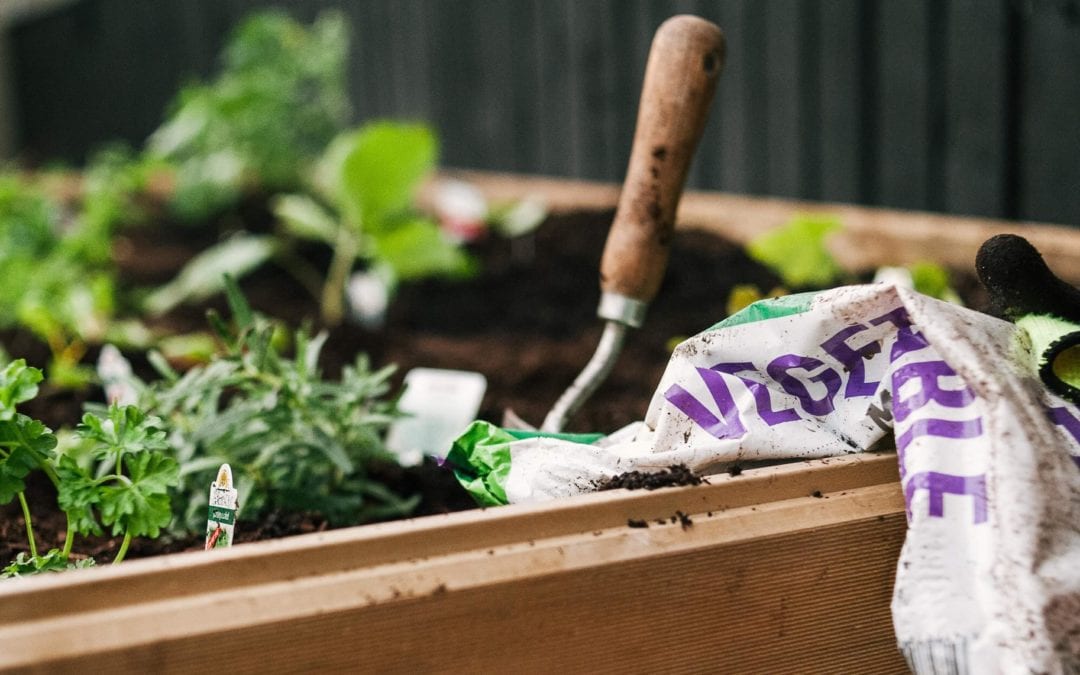
Going to reuse an old potting mix bag he didn’t think to re-dampen it. He breathed in a cloud of residue potting mix dust as he pushed pieces of cardboard inside.
The symptoms developed over three days. His temperature going up and down, he had headaches and stiffness. The stiffness developed so that he was unable to move his limbs, and then he had total weakness although his breathing was still ok.
Nelson Marlborough Health brings the seriousness of the disease to the surface with the release of four cases of Legionnaires disease in the Tasman district in November alone.
“Legionnaires’ disease is a serious, but preventable, illness,” says Clinical Director of Public Health and a Medical Officer of Health for Nelson Marlborough Health, Dr Stephen Bridgman.
“Fortunately, we have had no deaths locally in the last three years, but sadly there was a death in Dunedin last year,” he says.
Potting mix is the most common source of the disease but it’s also present in compost, inadequately-treated spa pools and hot water cylinders that are not set to a minimum of 60 degrees Celsius.
“Recent cases in our region have all been connected to soil, compost or potting mix used while gardening without adequate protection,” Stephen says.
At this time of year, when people are getting into their gardens more, we urge people to take care handling these products and to follow advice to reduce their risk, in particular, the use of masks to prevent inhaling the bacteria when handling potting mix or compost.