
Following a meeting of the Tasman District Council elected members on Friday18th December, a recommendation has been made to an annual maximum rate increase of between 4.5 and 7 per cent over the next 10 years.
The proposed maximum rates are 4.5 percent in 2021/2022 to 2023/2024, 7 percent in 2024/2025 to 2025/2026, and 4.5 percent in 2026/2027 to 2030/2031.
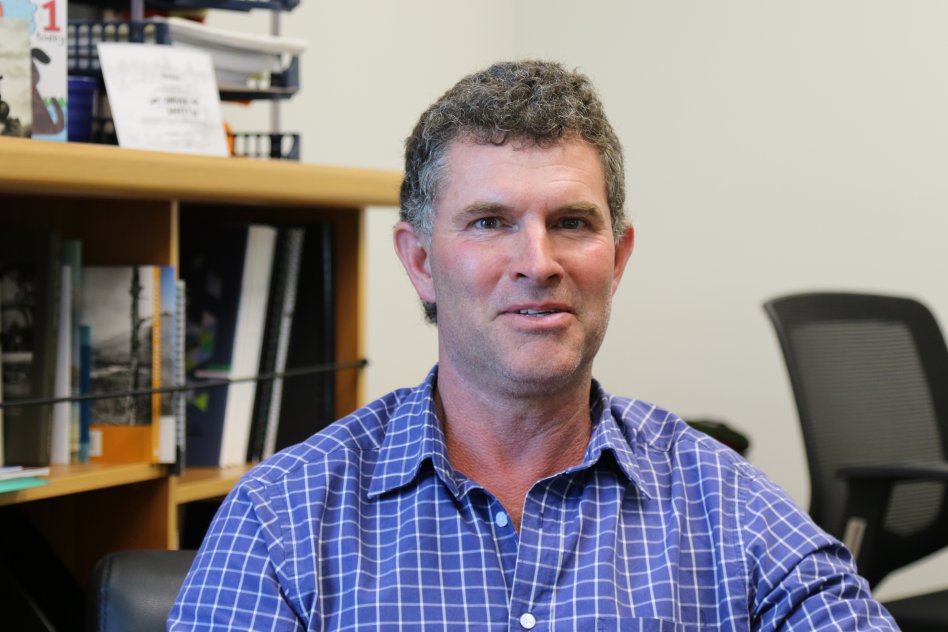
“A huge amount of effort has been involved over the past six months to arrive at this point” says Tasman mayor Tim King.
In order to keep rates affordable for the first four years, the Long Term Plan (LTP) recommends temporarily suspending contributions to the Council’s Emergency Fund. This could mean that in the event of an emergency the Council may need to debt fund any costs related to response and recovery that are over and above the funding in the Emergency Reserves Fund.
Because of Covid-19, the Council chose to implement 0 per cent rates for the past financial year, instead of the proposed 2.97 per cent.
“This decision has had an impact on the proposed rates increase for year one of the Long Term Plan,” the report said.
The LTP 2021-2031 Consultation Document was discussed and it acknowledged that planned rates rises over the next ten years could be a significant issue for some in the community.
“Some older residents who are no longer in employment will be less able to fund increases in rates for new services/infrastructure,” the report says.
The LTP contains predicted results but the reality could differ significantly. The impact of these differences was included in the document.
“If rates become more unaffordable, Council may choose to reduce levels of service or future investment in infrastructure and facilities in order to reduce future rates increases,” the report says.
Interest rates on debt repayment could also impact rates.
“$1 million more or less in debt equates to a rating impact of plus or minus $80,000 per anum,” the report says.
The report said that investment in technology over the last LTP (2018-2028) was insufficient.
“The spend required going forward is substantial compared with the IT investment of previous years,” the report says.
The future course of Covid-19 is hard to predict and further periods of restrictions at level 3 or four could have negative impacts on the Tasman community and economy. The Council is committed to providing essential services, but some discretionary services will be curtailed if necessary.
The Waimea Community Dam was planned to be ready for the 2022/2023 irrigation season. If the dam costs are more than budgeted, the Council would negotiate with Government for additional funding. However, increased costs could impact on Council’s financial position and debt level.
“Rates levels may have to be reconsidered and other projects and programmes may need to be delayed, and/or levels of service standards lowered, to accommodate the additional costs,” the report says.
The report also said that summer-time restrictions may impact businesses and residents until the dam is complete.
“Those reliant on Council water supply on the Waimea Plains and surrounds will be exposed to drought risk for longer than expected if the dam is not operational by March 2022,” the report says.
“I’m actually, I guess, in some ways surprised that we’ve managed to get to a point where our rates increases are not greater, considering our responsibility as a unity authority and the huge challenges that have happened post-election,” says Tim.
The majority of councillors voted to adopt the proposed increase in the external debt limit from $200 million to $260 million.
The vast majority of the debt related to infrastructure, including the $100 million just in Richmond to deliver for the development and growth that the council is required to provide for.
“There has been a lot of soul searching on the matter,” Tim says.
“Setting the direction for Council for the next ten years is always a challenge, but the LTP 2021-2031 will be one of the toughest. Those challenges were evident in the decision made by the Council today,” says Mayor Tim King.
He says the unprecedented combination of issues, including the rapid rate of growth, reform around the ownership and management of three-waters infrastructure, central government legislation reforms, particularly the essential freshwater management policies, and increasing community expectations around climate change and hazard management, and the impacts of Covid-19, have necessitated a significant review of the Council’s financial strategy.
“There are no easy answers to the challenges we face,” says Tim.