
As another season gets underway, the state of our native (whitebait) fishery has been making the headlines and sometimes for the wrong reasons. Although I don’t have a degree on the subject, I like to think, after 25 years of catching this white gold, I have some insight on the state of our local whitebait fishery. Very basically, they first have to survive the egg-laying and hatching process, they swim, but are mostly washed out to sea in floods, then grow and before long they are the perfect food for all manner of other fish. Then in spring they decide it’s time to hit the rivers. They enter to be met by `us’ (the eager fisherman) all after the elusive `feed’. The harassment never stops and now they are chased, this time by the freshwater fish – mainly trout and yes, more whitebaiters. The lucky and strongest ones who get past this onslaught are still targeted by fish and birds for their entire journey. They find some side creek, water race, swamp etc. and here they can finally call home. They hide and try to grow to maturity, so hopefully they can repeat the whole cycle.
But the `new age’ whitebait have university graduates on their side. Their findings seem to be taken on board as gospel by our decision makers and soon we have new regulations introduced. While any information they gather that aids whitebait is great, perhaps more information could be gleaned from those whom have spent years watching, catching and learning their habits. There is one very easy way to help increase the whitebait stocks in New Zealand rivers. Introduce a ban on the sale of whitebait by `recreational fisherman’. That statement is going to make me extremely unpopular, as there are a lot of people out there, including some of my friends, who use the whitebait season as a chance to make extra money. I would rather see a sale ban than catch limits or total fishing bans. Whitebait should only be sold by those who own registered stands. (And `no’ I don’t own a stand). A lot of stands in many cases are not cheap to buy – depending on location, and they all have to pay levies every year to keep their stands and hence should have the privilege of being able to sell their catch. New stand sites are no longer created, with only a limited number of existing registered stands in New Zealand. If you want to sell and make money from whitebait then you should have to buy, lease or rent one of these stands.
There is no difference between the whitebait or any other recreational fishery in New Zealand. By making the sale of whitebait illegal for recreational fisherman, it would prevent all the greed and animosity that is generated on the river banks around New Zealand during the catch season.
This would secure the future of literally tons of whitebait and people would only then catch what is required for family and friends.
Yes, there will be a black market – it would be no different to any other black market fishery that is out there today.
Authorities have to put faith in the knowledge that the majority of New Zealand fishermen will abide by the rules – as they do now, with any other fishery.
What is so difficult about introducing a `no sell’ law? It is illegal for recreational fisherman to sell all other fish species in New Zealand – so why is whitebait so different?
The landowners and authorities are doing their bit, now it’s time for the fishermen to do theirs.
New Zealand whitebait stocks would benefit and increase if we make it illegal to sell our recreationally caught `White Gold’.
Call for protection of whitebait
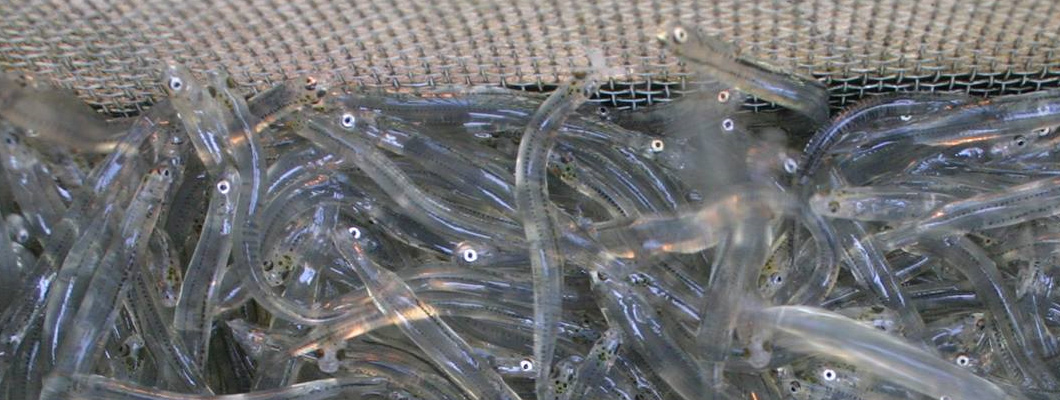
Is it time whitebait were protected by prohibiting their sale by recreational fishermen?
Spread the love.